Why We Get Hiccups
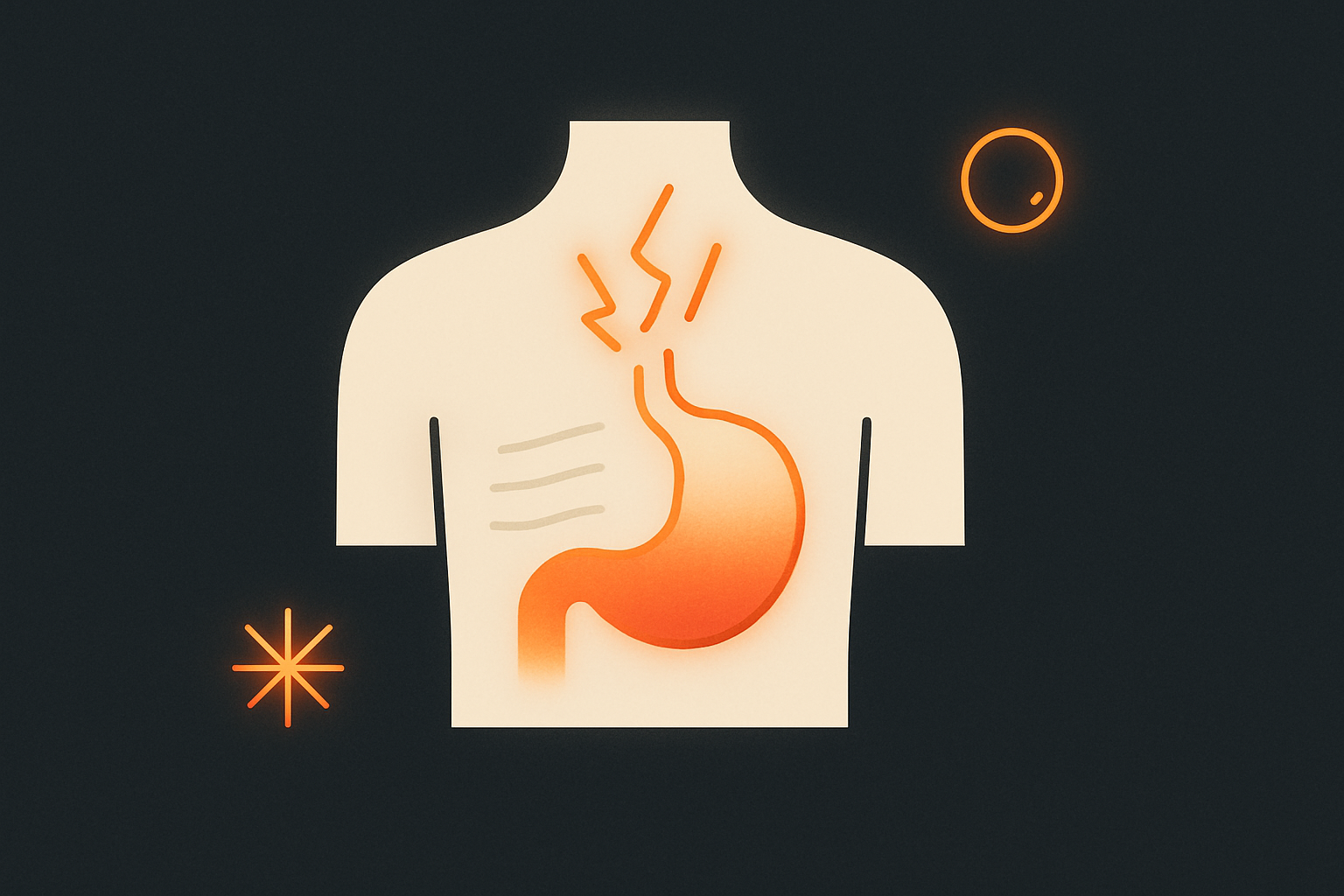
Hiccups happen because the diaphragm muscle suddenly contracts involuntarily, causing a quick intake of air that is stopped by the vocal cords closing.
It's like when your tummy muscle suddenly jumps and makes you suck in air quickly, then your throat closes for a moment making a funny sound.
Hiccups are a common reflex that usually go away on their own, but they show how our breathing muscles and nerves work together and sometimes get temporarily out of sync.
Knowing what usually triggers hiccups can help you handle a short spell calmly and recognize when one that will not stop may be worth mentioning to a healthcare professional.
Eating quickly can trigger them
A very full stomach, fizzy drinks, or swallowing extra air while eating can irritate the nerves involved in the hiccup reflex.
Small resets may help
Slow breathing, sipping water, or pausing before another bite can sometimes help the diaphragm settle back into its usual rhythm.
Long-lasting hiccups need attention
Hiccups that keep going for a long time or make it hard to eat, sleep, or breathe are worth discussing with a healthcare professional.